DMG - Live the dream EPK
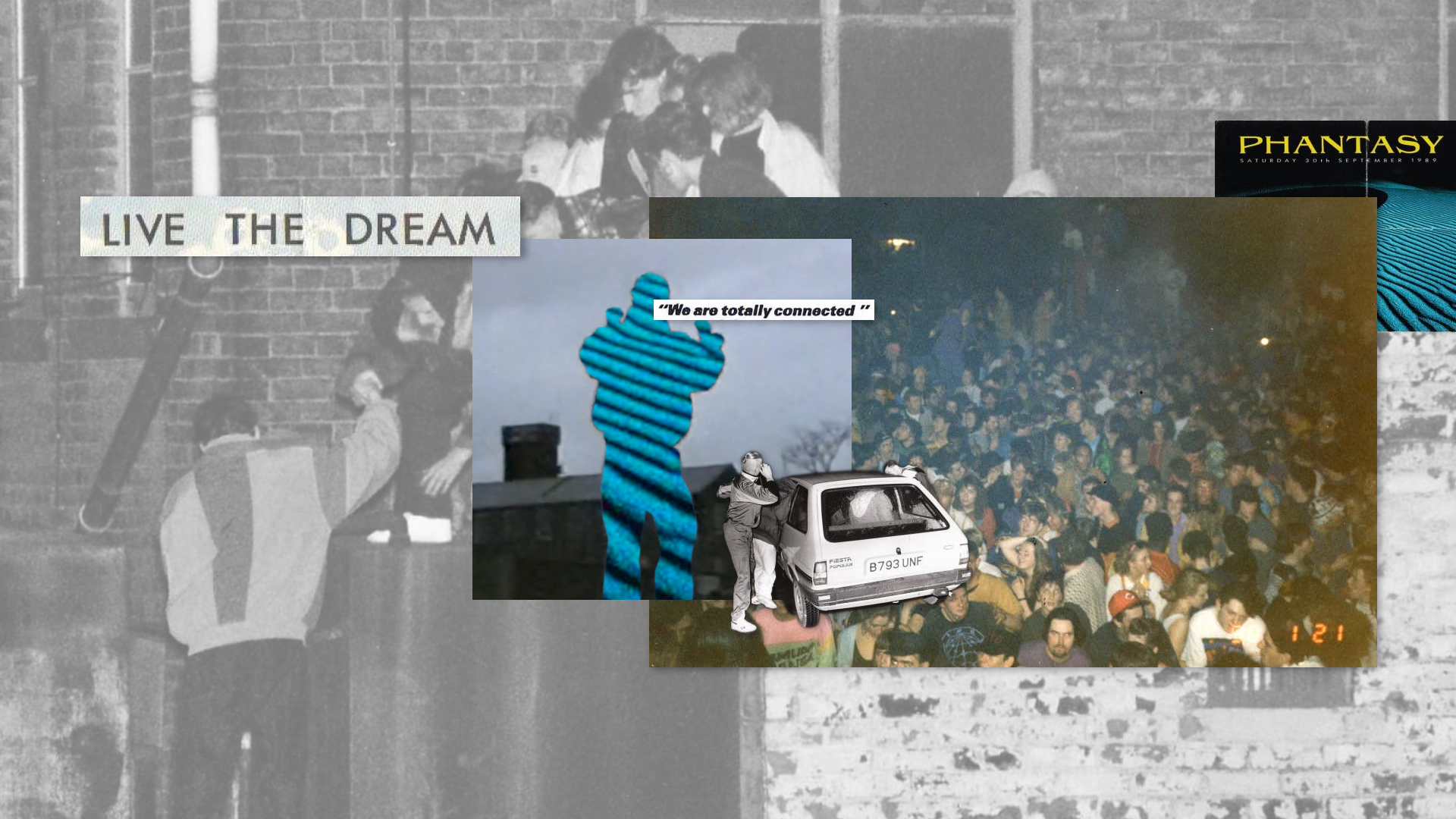
‘Live The Dream’ is the new album by Blackburn born Scotland based artist, DMG. ‘Live the Dream’ takes inspiration from the sonic imprint and ambience of the turn-of-the-90s Blackburn Rave scene, weaving found-footage and contemporaneous electronic instrumentation into evocative aural tapestries.
‘Live the Dream’ explores modern dance music’s counter-cultural origins and expression of itself the language of the supernatural, folklore and mythology. Through this lens, Live the Dream explores the position that the acid rave explosion occupies within collective memory and the nature of contribution to folklore as a communal act.
NorthWEST England’s seminal Rave Scene outpost
Blackburn was the unlikeliest of places to play host to a revolution in electronic music culture. However, through a decade of social challenges, a ripe urban-geography, and the curiosity, dedication and ambition of local music fans, it grew into a counter-culture epicentre.
Live the Dream channels the atmosphere and energy of Blackburn’s seminal Rave scene, weaving meticulously sampled found-footage and contemporaneous electronic instrumentation into evocative sonic tapestries. This positions the individual pieces within a soundworld created directly from the sights and sounds recorded by those who attended, through the camcorders and microphones they had to hand at that time.
The ripples of the Blackburn raves’ impact are still felt. Although now based in Edinburgh, as a musician and artist from Blackburn, DMG has long been curious about the interaction between the electronic dance movement and the post-industrial settlement that played an unwitting host. Live the Dream weaves found sound and contemporaneous musical fragments from video taken at Blackburn Rave parties into its sonic fabric.
-
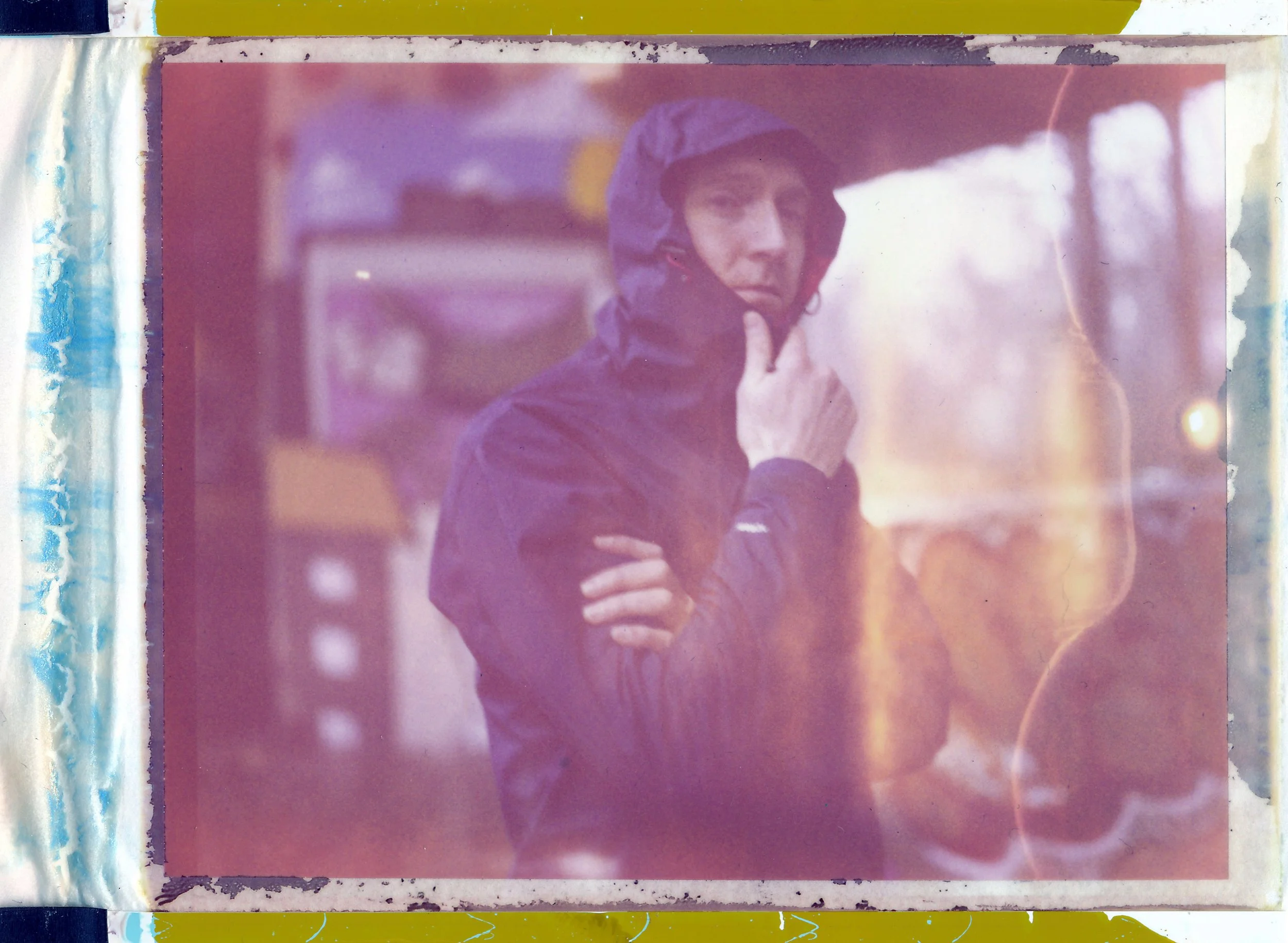
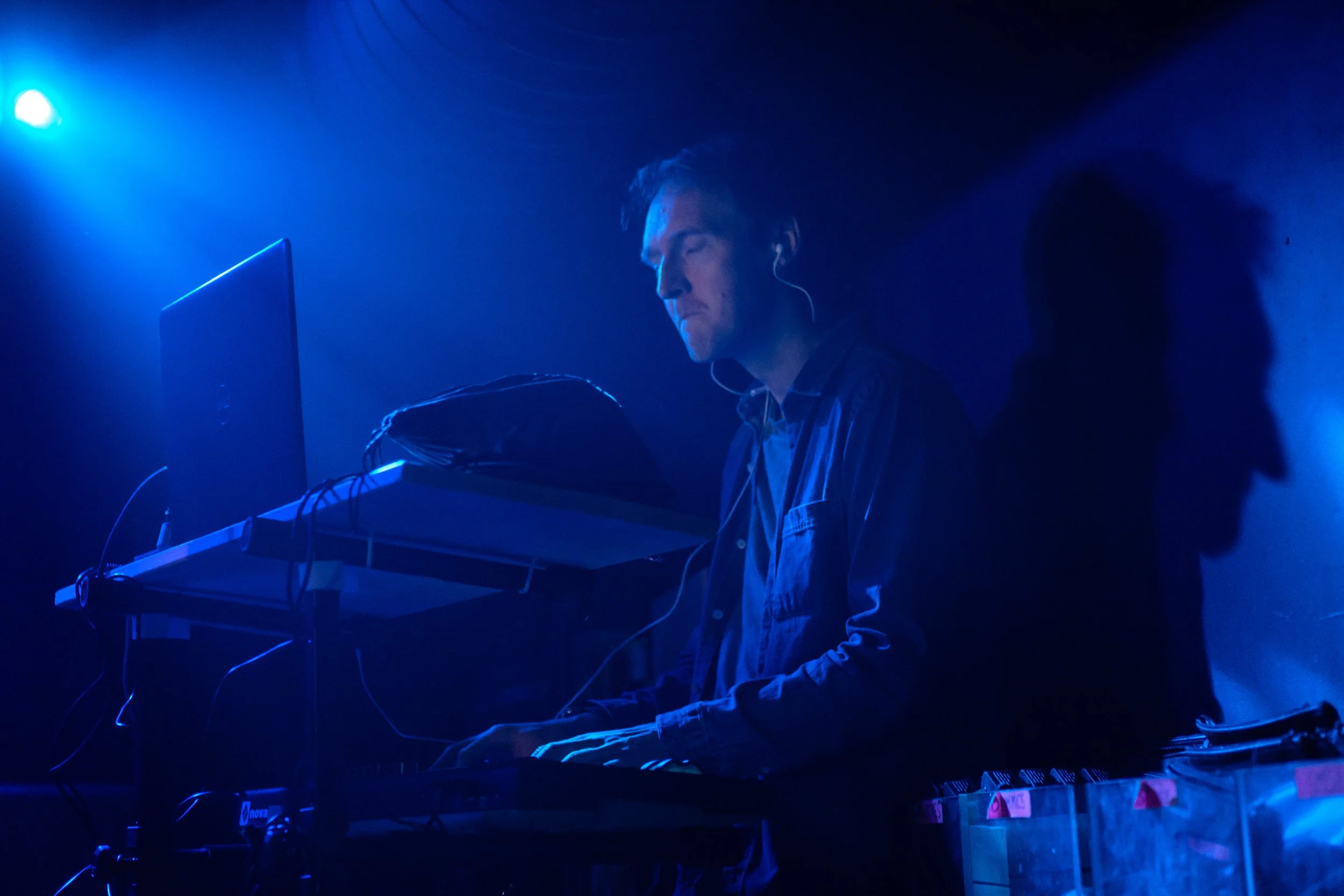
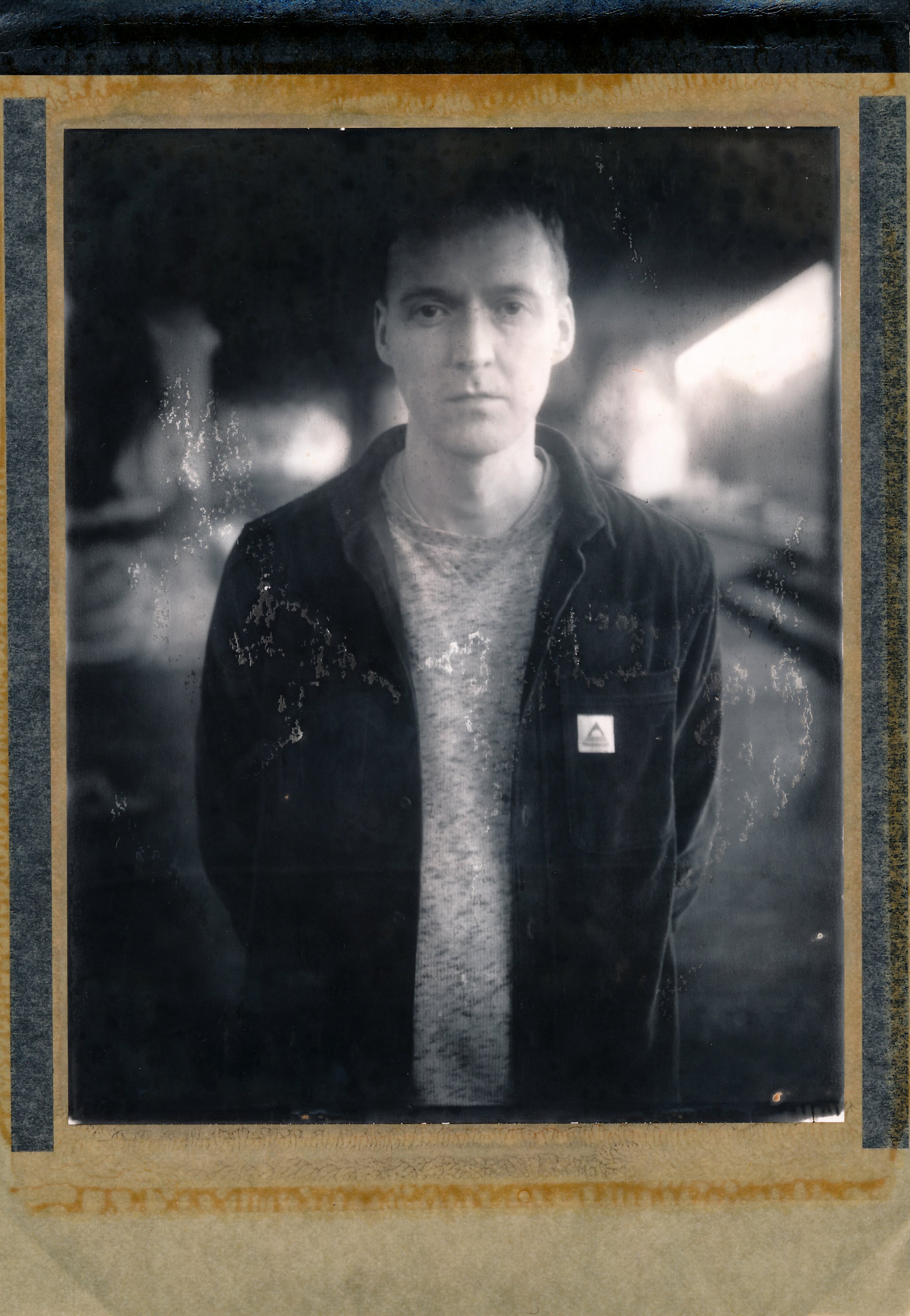
DMG is the alias of Edinburgh based producer and digital artist Daniel McGurty, a producer whose music is built on a commitment to sonic-curiousity and sheer defiance to easy categorisation.
His music blends an eclectic range of disparate influences together creating vibrant, euphoric dance music collages. Hugely influenced by the music of Djrum, SOPHIE, Photek and the audiovisual work of Mark Leckey, DMG carves out a niche exploring the impact of low-fidelity digital technology, the aesthetics of sonic artefacts and an evocation of the golden mid-90s era of hard-hitting big beats.
This approach to production and composition results in a truly unique soundworld in which the sonic-fingerprint of analogue techniques and warmth are seamlessly repositioned within a digital, forward-thinking domain.
Daniel released his debut work, Trigger//, a data sonification project transforming research data from Mass Extinction events into music, in 2015. Under the ‘DMG’ moniker, Daniel’s focus moves toward dancefloor friendly, sonically-curious sound which characterised his releases to date.
In parallel with his free composition work, DMG has scored for screen and stage, delivering the sound design and score for Juri Krutii’s Eudaimonia and Teuchter company’s Tiger and ADA which toured the international Fringe Festival circuit. In September 2025 DMG released his most recent work ‘Wounded’, a collaborative piece with spoken word artist Criss Roden.
Daniel continues to foster a vibrant network of collaborative relationships with musicians around the world. He is the co-founder of the web-based digital imprint Melor Records alongside Berlin-based Tef Dara and Seattle-based Cameron McNair.
password: dmgdmg
-
-

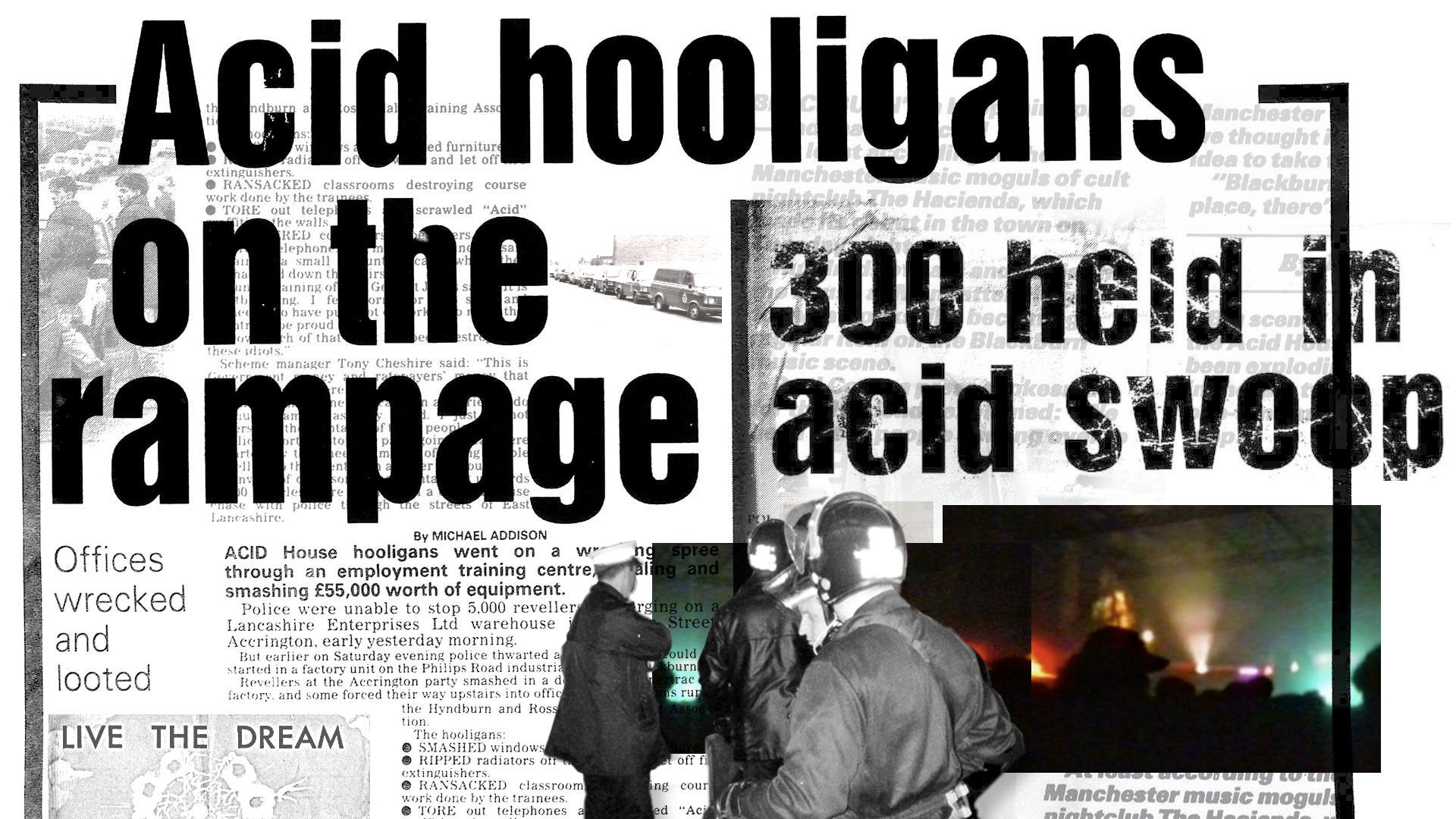
Unlikely Origins
Blackburn wasn’t alone in bucking the trend of the decadence that accompanied the economic boom of the 1980s. Whilst untethered financial regulations sparked a flurry of wealth generation in the nation’s capital, towns and cities in the further flung areas of the UK suffered with industrial closure, mass unemployment and social and community decay.
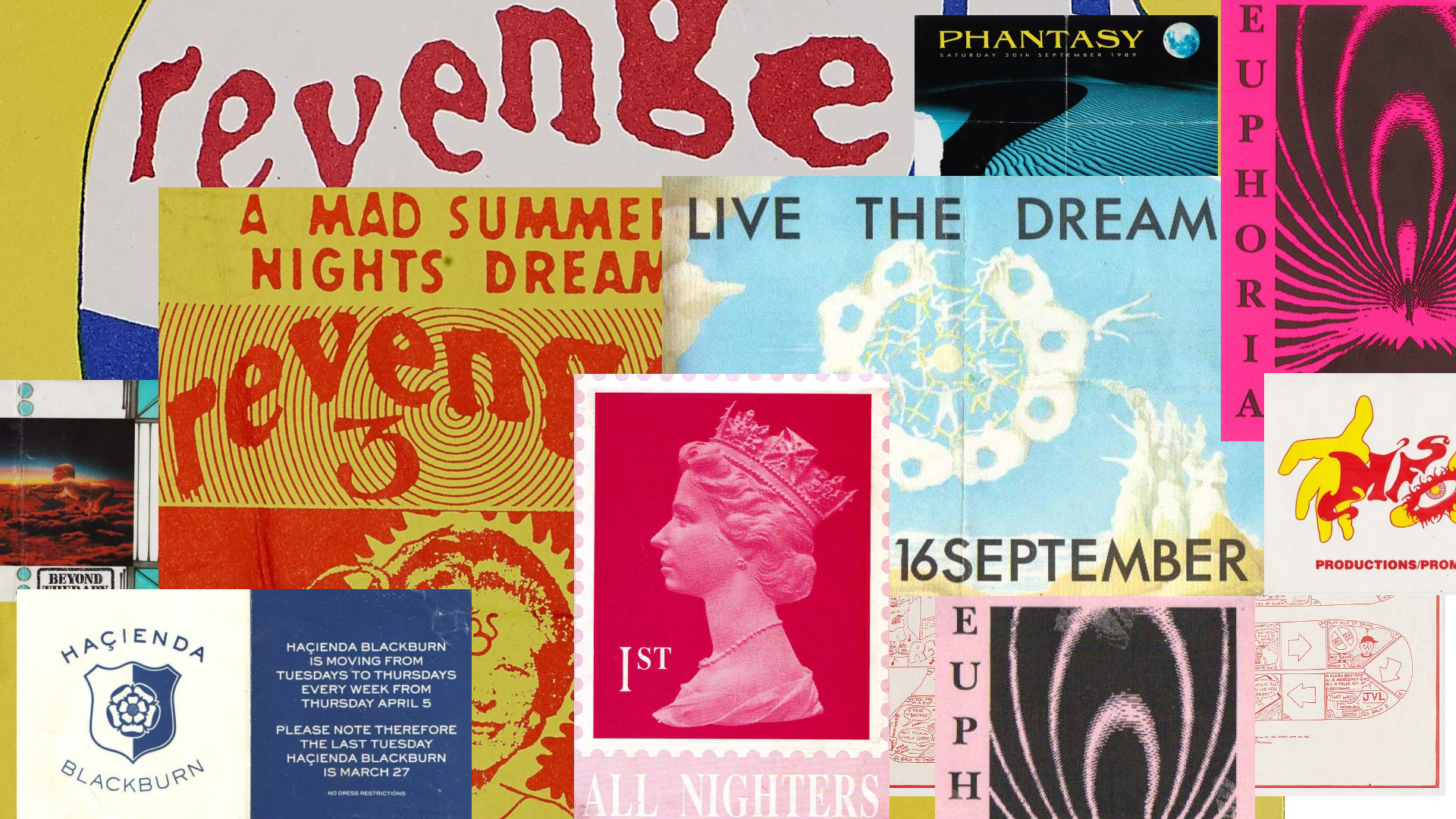
Against this backdrop, and with the 90s looming, a reactionary cultural movement emerged in Blackburn. Young people from around the North West, whether music fans, counterculture idealists or football hooligans congregated in Blackburn, in an expression of defiance, to party all night long.
The post-industrial landscape of Blackburn provided fertile terrain for illegal party spaces, with long-empty mills, warehouses and factory spaces littering the town and surrounding areas. Boosted by its proximity to Manchester, Leeds and Liverpool, Blackburn was perfectly situated to become the alternative illegal party hotspot.
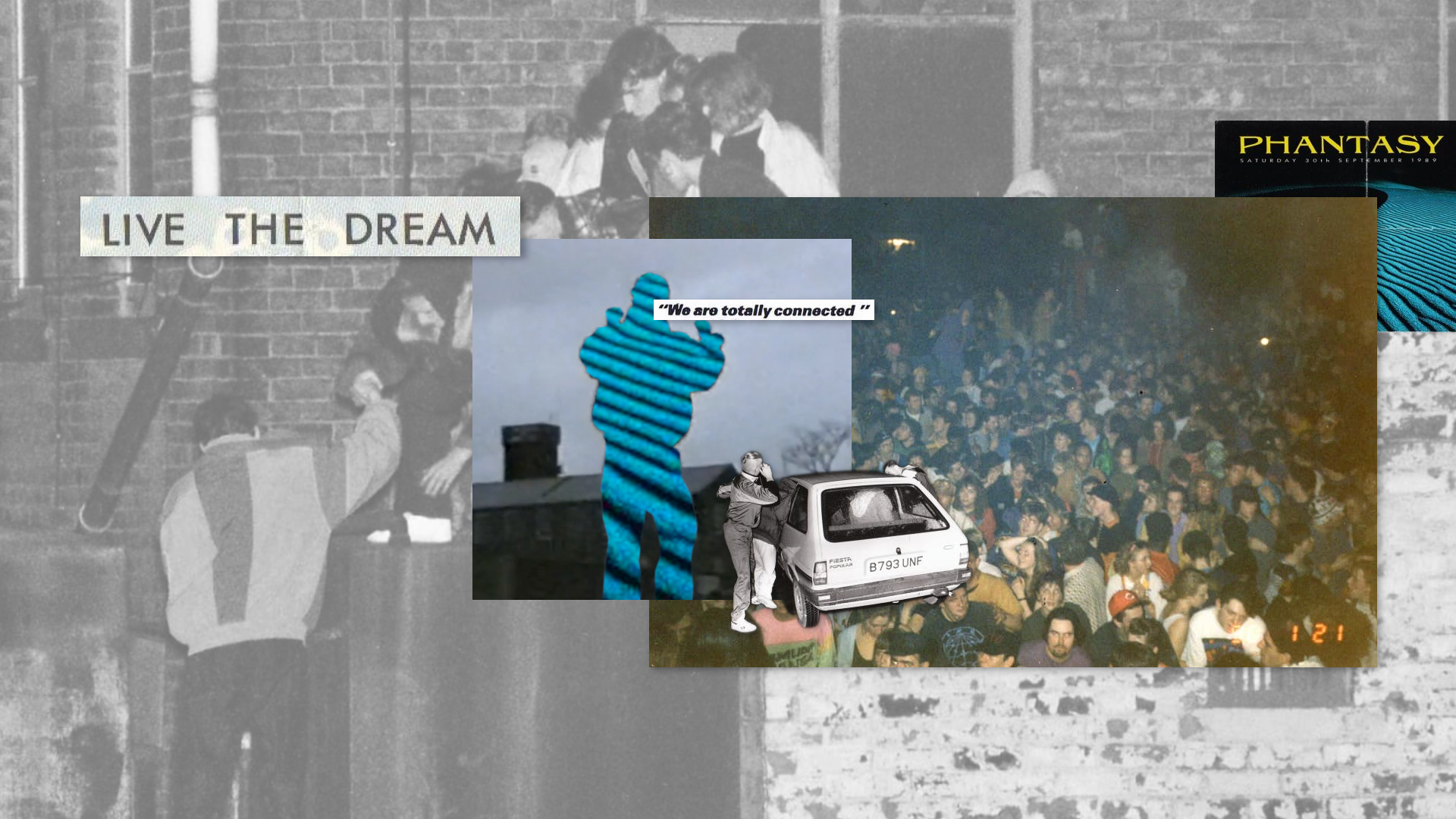
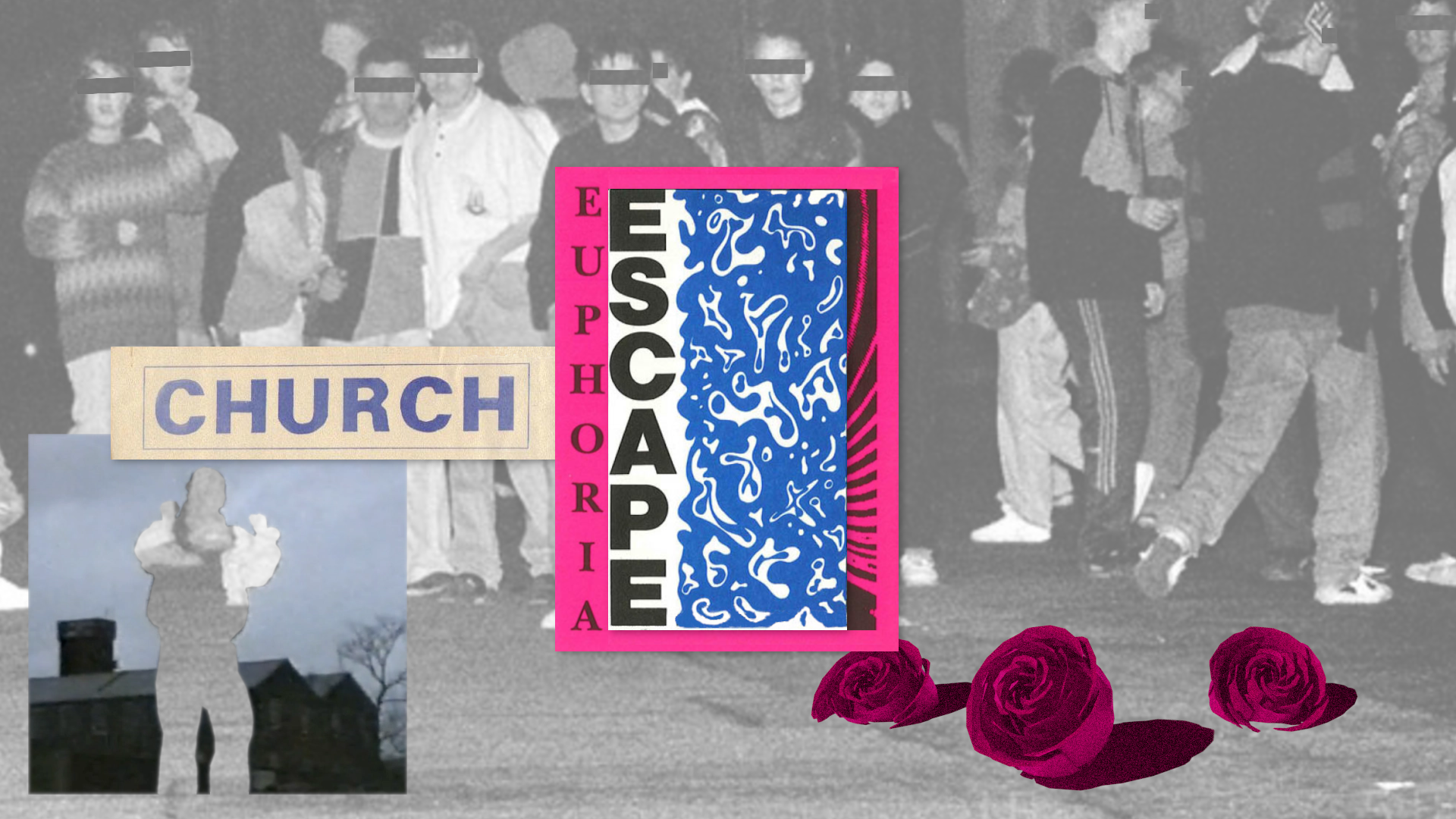
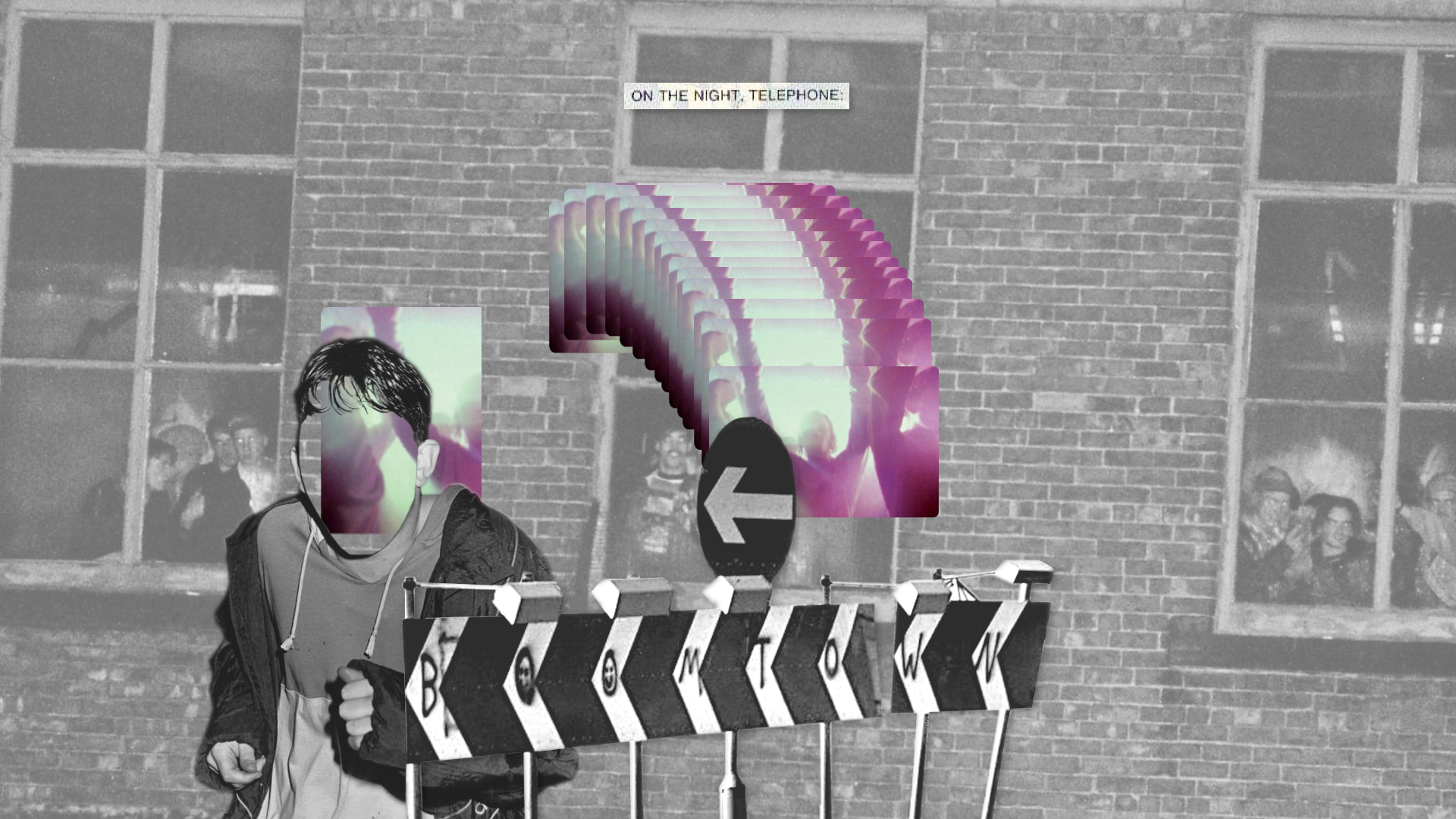
Propelled by a cocktail of class A drugs and the emerging Acid House music style, a working class revolution that changed the landscape of Dance Music and Party culture in the UK was underway.
Whilst the Hacienda and Shoom clubs are remembered for their role in the introduction of electronic dance music culture into late-80s UK, the raves in Blackburn have, until recent years, received little coverage.
A wonderful recent project Flashback archives the stories of the people who lived through the Blackburn Rave movement. Whether party organisers, attendees or police, their memories of the events are documented through interviews shedding light into the human stories woven together to create one of the most seminal UK cultural movements of the latter 20th century. Flashback was a significant influence on DMG’s Live the Dream.
The album illuminates the position that the acid rave explosion occupies within collective memory and the nature of contribution to folklore as a social act. By asking questions about nostalgia, and the right to a sense of connection; ‘Live the Dream’ questions how, as individuals, we develop a sense of connection to a cultural moment, whether that feeling is valid, and whether it poses a barrier to contribute to the cannon of nostalgia associated with a past event.
There is no doubt that Blackburn’s DIY, subversive attitude to rave culture deserves equal footing in influencing the development of electronic dance and festival culture in the country.
With thanks to Expletive Undeleted, Flashback, Phatmedia, and the EwoodPark blog.